Tangled Tresses: How to Untangle Your Dog's Matted Coat
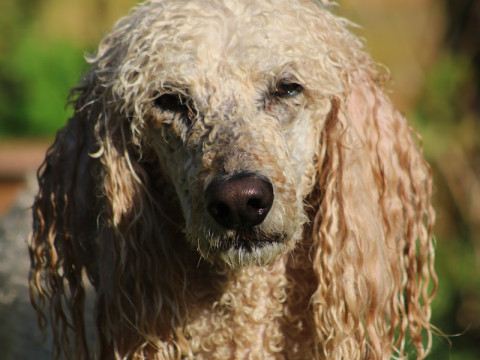
As a pet owner, you know how important it is to keep your furry friend's coat clean and well-groomed. Regular grooming not only keeps your dog looking good, but it also helps to maintain their overall health and well-being. However, sometimes despite your best efforts, your dog's coat may become matted, causing discomfort and pain to your furry companion. In this article, we will explore the causes and consequences of matting in dogs and provide you with practical tips on how to detangle your dog's matted coat.
Understanding Matting in Dogs
Matting refers to the clumping of fur due to tangles and knots that form when loose hairs get trapped and matted together. Matting can occur in dogs with long or curly coats, especially in areas where there is friction, such as behind the ears, under the armpits, and around the tail. Some common causes of matting in dogs include:
- Lack of regular brushing and combing
- Dirt, debris, and moisture getting trapped in the fur
- Shedding of loose hairs that get tangled with the existing coat
- Excessive scratching or licking due to skin irritation or allergies
Regular grooming, including brushing and combing, is essential to prevent matting in your dog's coat. Neglecting proper grooming can result in mats becoming tighter and more difficult to remove, leading to serious consequences for your dog's health and well-being.
Consequences of Matted Coat
A matted coat can cause discomfort and pain to your furry friend. Mats pull on the skin, causing irritation, soreness, and even wounds. Mats can also harbor dirt, debris, and moisture, creating an ideal breeding ground for bacteria, fleas, and other parasites. Over time, this can lead to skin infections, hot spots, and other dermatological issues. In addition, a matted coat can affect your dog's mobility and range of motion, leading to muscle strain and discomfort.
The discomfort and pain caused by a matted coat can have a negative impact on your dog's overall well-being. Your dog may become irritable, restless, and less active. Mats can also cause behavioral changes, such as increased aggression or anxiety, as your dog tries to protect the painful areas from being touched or brushed. Therefore, it is crucial to address matting in your dog's coat promptly and take appropriate measures to detangle the fur.
Importance of Proper Grooming
Regular grooming, including brushing, combing, trimming, and cutting, is essential to prevent matting in your dog's coat. Proper grooming not only helps to keep your dog's coat clean and tangle-free but also promotes healthy skin and coat. Here are some important grooming practices that can help prevent matting in your dog's coat:
- Regular brushing and combing : Brushing your dog's coat regularly, especially if your dog has long or curly hair, is crucial in preventing matting. Brushing helps to remove loose hairs, dirt, and debris from the coat, preventing them from becoming tangled and forming mats. Use a brush that is suitable for your dog's coat type and follow the natural direction of hair growth while brushing. Comb through the coat to remove any remaining tangles and knots.
- Trimming and cutting : Regular trimming and cutting of your dog's hair can also help to prevent matting. Pay extra attention to areas that are prone to matting, such as behind the ears, under the armpits, and around the tail. Use sharp, pet-safe scissors or clippers to carefully trim the hair in these areas to prevent mats from forming.
- Seeking professional help : If your dog's coat is severely matted, it's best to seek professional help from a groomer or a veterinarian. Attempting to detangle severe mats on your own can be painful for your dog and may result in accidental cuts or injuries. A professional groomer or veterinarian has the experience and tools to safely and effectively detangle your dog's matted coat.
How to Detangle Your Dog's Matted Coat
If you notice that your dog's coat has become matted, it's important to address it promptly to prevent further discomfort and health risks. Here's a step-by-step process on how to detangle your dog's matted coat:
- Gather the right tools and equipment: You will need a slicker brush, a comb with wide and narrow teeth, pet-safe scissors, and possibly some detangling spray or conditioner.
- Find a calm and quiet environment: It's important to create a calm and stress-free environment for your dog during the detangling process. Choose a quiet area in your home where your dog feels comfortable and secure.
- Start with gentle brushing: Begin by using a slicker brush to gently brush the surface of the mats. Use short, gentle strokes and be careful not to pull on the mats, as this can cause discomfort to your dog. If the mats are too tight to brush, use your fingers to carefully loosen them.
- Use a comb to detangle: Once you've brushed the surface of the mats, use a comb with wide teeth to carefully work through the mats. Start at the ends of the mats and slowly work your way up, using short, gentle strokes. If you encounter any knots, use the narrow teeth of the comb to carefully untangle them.
- Trim carefully: If the mats are too tight to detangle with a comb, you may need to use pet-safe scissors to carefully trim away the mats. Be extremely cautious not to cut your dog's skin, as the skin underneath the mats can be very sensitive. Trim the mats in small sections, working slowly and patiently.
- Finish with brushing and combing: Once you've detangled the mats, use a slicker brush and a comb to thoroughly brush and comb through your dog's coat. This will help to remove any remaining tangles and ensure that the coat is smooth and tangle-free.
- Finish with brushing and combing: Once you've detangled the mats, use a slicker brush and a comb to thoroughly brush and comb through your dog's coat. This will help to remove any remaining tangles and ensure that the coat is smooth and tangle-free.
- Follow up with regular grooming: To prevent matting from occurring again in the future, establish a regular grooming schedule for your dog. Brush and comb your dog's coat regularly, and consider scheduling regular appointments with a professional groomer for trimming and cutting as needed.
Preventing Matting in Dogs
Prevention is key when it comes to matting in dogs. Here are some additional tips to prevent matting in your dog's coat:
- Regular bathing : Regular baths help to keep your dog's coat clean and free from dirt and debris, which can contribute to matting. Use a gentle pet-specific shampoo and conditioner that is suitable for your dog's coat type, and make sure to rinse thoroughly to prevent residue from causing tangles.
- Proper drying : After bathing your dog, make sure to dry their coat thoroughly. Use a towel to gently remove excess moisture, and then use a pet-safe blow dryer on low heat to completely dry the coat. Damp fur is more prone to matting, so ensure that your dog's coat is completely dry to prevent mats from forming.
- Avoiding excessive scratching and licking : Excessive scratching and licking can cause tangles and mats in your dog's coat. Regularly check your dog's skin for any signs of irritation or inflammation that may be causing them to scratch or lick excessively. If you notice any issues, consult your veterinarian for appropriate treatment.
- Regular check-ups with a professional groomer : Regular visits to a professional groomer can help to keep your dog's coat in optimal condition and prevent matting. Professional groomers have the expertise and tools to effectively groom your dog's coat and prevent matting from occurring.
- Proper diet and hydration : A healthy diet and proper hydration are important for maintaining a healthy coat in dogs. Ensure that your dog is receiving a balanced diet with all the necessary nutrients for healthy skin and coat. Make sure your dog has access to clean water at all times to keep them properly hydrated, as dehydration can lead to dry, brittle fur that is more prone to matting.
Conclusion
In conclusion, detangling a matted coat in dogs requires patience, gentle handling, and the right tools. Regular grooming, including brushing, combing, and trimming, can prevent matting from occurring in the first place. If your dog's coat does become matted, it's important to address it promptly and carefully to prevent further discomfort and health issues. Following a regular grooming routine, maintaining proper hygiene, and providing a healthy diet and hydration can help keep your dog's coat tangle-free and healthy.
FAQs
- Can I use human hair products on my dog's coat?
It's best to use pet-specific grooming products that are formulated for dogs. Human hair products may contain ingredients that are harmful or irritating to dogs' skin and coat. - How often should I groom my dog's coat?
The frequency of grooming depends on your dog's coat type and lifestyle. Breeds with longer or thicker coats may require more frequent grooming, while shorter-coated breeds may require less frequent grooming. Consult with a professional groomer or your veterinarian for recommendations specific to your dog's needs. - Can I detangle my dog's matted coat with regular scissors?
No, it's important to use pet-safe scissors specifically designed for grooming dogs. Regular scissors may not have the right blade shape and size, and can accidentally cut your dog's skin. - What should I do if my dog's mats are too tight to detangle?
If the mats are too tight to detangle with brushing and combing, it's best to seek professional help from a groomer or veterinarian. Attempting to force out tight mats can cause discomfort and injury to your dog. - How can I prevent my dog from developing mats in the future?
Regular grooming, including brushing, combing, and trimming, as well as proper bathing, drying, and maintaining a healthy diet and hydration, can help prevent mats from forming in your dog's coat. Consult with a professional groomer or your veterinarian for specific recommendations for your dog's coat type and needs.